
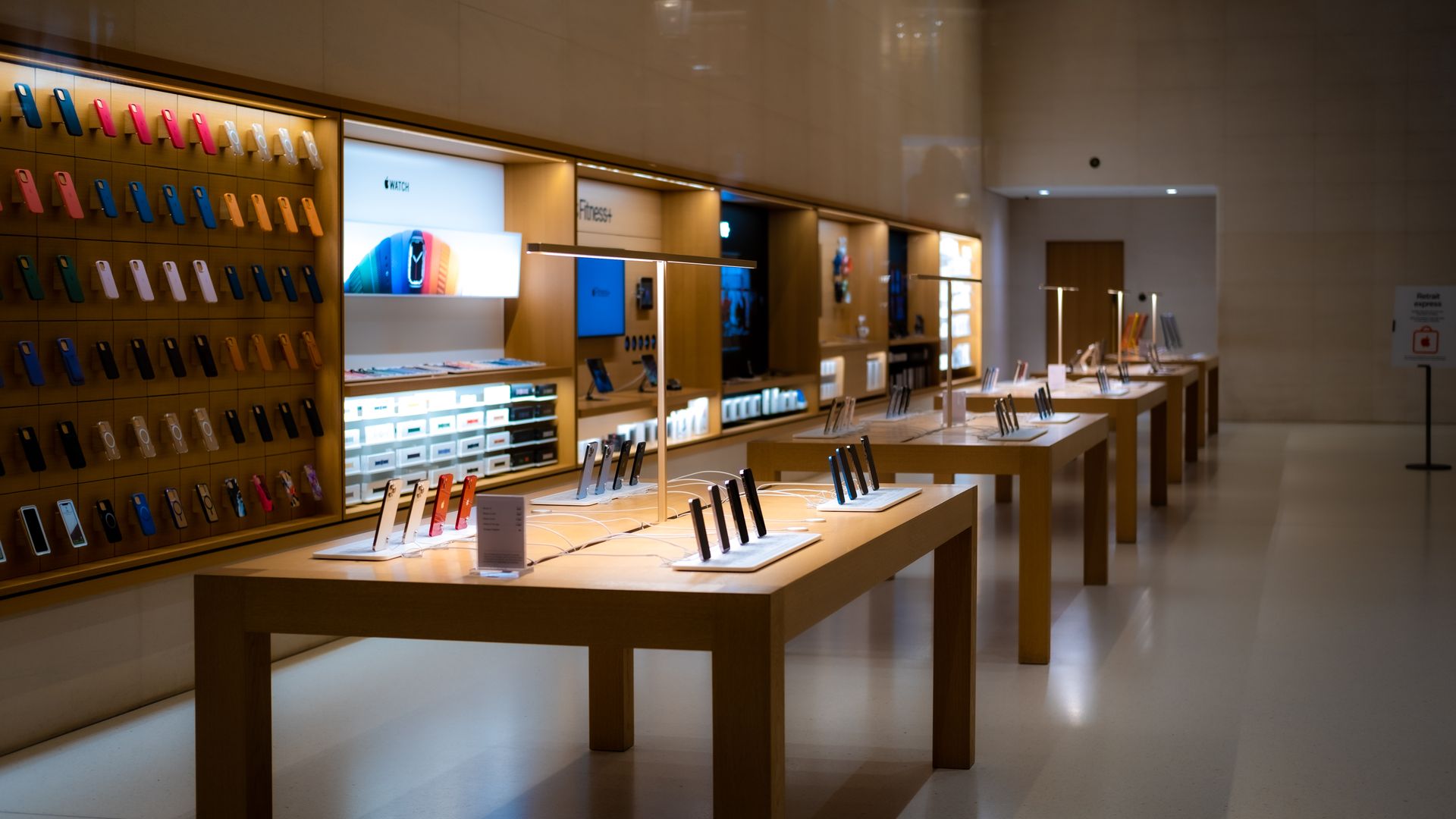
The retail business has never been easy. Customer expectations evolve, competition grows stronger, and technology changes the way people shop. Yet, despite these challenges, a well-built retail business can continue to grow for decades when it is built on the right foundation.
After scaling from a single store to five retail locations, one lesson became clear: sustainable growth is not about opening more branches as quickly as possible. It is about creating systems, building trust, and delivering consistent value to every customer.
1. Trust Is Your Greatest Asset
Products can be copied. Prices can be matched. Promotions can be replicated.
What cannot be easily copied is customer trust.
Every interaction matters—from recommending the right product to providing honest advice and dependable after-sales service. Customers remember businesses that solve problems rather than simply complete transactions.
Long-term success begins with earning repeat customers, not just first-time buyers.
2. Build Processes Before Expansion
Opening a new store without standardized processes often creates inconsistency.
Every store should follow the same operating standards:
- Customer service guidelines
- Inventory management
- Billing procedures
- Product display standards
- Staff training
- Daily reporting
When processes are documented, every new branch becomes easier to manage and customers receive the same experience regardless of location.
3. Data Should Drive Decisions
Many retailers rely solely on intuition.
Experience is valuable, but numbers reveal the complete picture.
Track metrics such as:
- Daily sales
- Product-wise performance
- Slow-moving inventory
- Customer demand trends
- Profit margins
- Staff productivity
Small improvements based on accurate data often create significant long-term results.
4. Inventory Is Cash
One of the biggest lessons in retail is understanding that inventory sitting on shelves is money waiting to move.
Keeping the right products in stock is just as important as avoiding unnecessary inventory.
Successful retailers constantly balance:
- Fast-moving products
- Seasonal demand
- New launches
- Supplier lead times
- Stock ageing
Effective inventory management improves cash flow and reduces unnecessary losses.
5. Invest in Your Team
Retail is ultimately a people business.
Technology can simplify operations, but employees create customer experiences.
Hiring people with the right attitude, providing continuous training, and empowering staff to solve customer problems builds a stronger organization than focusing only on sales targets.
A motivated team creates loyal customers.
6. Technology Is an Enabler
Modern retail requires more than a billing system.
Technology helps businesses:
- Track inventory in real time
- Monitor sales across branches
- Generate meaningful reports
- Automate repetitive tasks
- Improve communication
- Make faster business decisions
The goal isn't to replace people—it's to help them work more efficiently.
7. Stay Adaptable
Consumer preferences change rapidly.
New brands emerge. Online shopping evolves. Marketing channels shift.
Retail businesses that survive are the ones willing to learn, experiment, and improve continuously while staying true to their core values.
Adaptability is often the difference between businesses that struggle and those that continue growing.
Final Thoughts
Building a retail business that lasts isn't about chasing rapid expansion or short-term profits. It's about creating a business that customers trust, employees are proud to be part of, and systems that can scale without sacrificing quality.
Five stores represent more than growth in numbers—they represent years of learning, refining processes, overcoming challenges, and continuously improving.
The journey continues, but one principle remains constant:
Great retail businesses are built one satisfied customer at a time.
Five stores in, people still ask me the same question: "What's the secret?" The honest answer is there isn't one — but there are a handful of decisions that compound quietly over years while everyone else is chasing the next quarter.
When I opened the first Alangar Mobiles store, I thought the job was to sell phones. It took two difficult years to understand that the job was actually to build trust, one counter conversation at a time. Every store since has been built on that correction.
1. Location is a decision, not a discovery
We don't chase footfall. We study it — for months, not weeks, before signing a lease. A street that looks busy at 6pm can be dead at noon, and a retail business lives or dies on the hours in between.
2. Systems outlast people
Every store we've opened runs on the same playbook: the same inventory checklist, the same way of greeting a walk-in, the same end-of-day close. Not because people aren't trusted, but because a system protects the customer experience even on someone's worst day.
A business that only works when you're standing in it isn't a business — it's a job with extra steps.
3. Margins come from relationships, not markdowns
It's tempting to compete on price. We chose to compete on knowing our customers' names, their upgrade cycles, and their budgets before they walk in. That's harder to build and far harder for anyone to copy.
What I'd tell someone opening their first store
- Underestimate your first-year revenue and overestimate your first-year lessons.
- Hire for attitude — the product knowledge is teachable, the care for a customer usually isn't.
- Visit your own store like a stranger once a month. You'll notice what your staff has stopped seeing.
None of this is glamorous. Retail rarely is. But five stores later, I can say the lasting ones were never built on a single big idea — they were built on the boring decisions we kept making correctly, week after week.